Our History

1926 Keystone Portland Cement was founded in Bath, Pennsylvania, on 500 acres.
1928-1929 Early Production using wet process with four kilns, raw mills, and finishing mills. Expanded to 1,000 acres and introduced Velroca cement for NYC's Tri-Borough Bridge.
1940s-1950s Post-War Expansion with facility and R&D growth, improving cement durability and efficiency.
Major Upgrade adding a larger kiln, increasing clinker capacity by 75%.
1966-1968 Kiln Modernization replacing four small kilns with a 15x550-ft kiln, decommissioning the old units by 1968.
1970s Environmental Upgrades with pollution control technologies and energy efficient kilns.
1976 Sustainability Leader as a pioneer in resource recovery, using high-BTU liquid wastes as fuel.
1984 Acquisition by Giant Group Limited.
1986 Rebranding as Keystone Cement Company.
1994 Public Listing under Giant Cement Holding Inc. (GCHI).
1995 Finish Grinding Upgrade with a 4,400-HP mill, replacing five smaller mills.
1999 Acquisition by Cementos Portland Valderrivas (CPV) of Spain.
2009 Upgrade entire production line from the quarry to the clinker silos with state-of-the-art preheater/precalciner kiln line.
2016 Partnership between Elementia Materials & CPV, strengthening market presence.
2021 Transition Under Fortaleza Materials consolidating U.S. cement operations into Elementia USA.
2025 Restructuring Under KCH after GCHI sale. Keystone become part of Keystone Cement Holding Inc. (KCH) while remaining under Fortaleza & CPV.

Our History

1926 Keystone Portland Cement was founded in Bath, Pennsylvania, on 500 acres.
1928-1929 Early Production using wet process with four kilns, raw mills, and finishing mills. Expanded to 1,000 acres and introduced Velroca cement for NYC's Tri-Borough Bridge.
1940s-1950s Post-War Expansion with facility and R&D growth, improving cement durability and efficiency.
Major Upgrade adding a larger kiln, increasing clinker capacity by 75%.
1966-1968 Kiln Modernization replacing four small kilns with a 15x550-ft kiln, decommissioning the old units by 1968.
1970s Environmental Upgrades with pollution control technologies and energy efficient kilns.
1976 Sustainability Leader as a pioneer in resource recovery, using high-BTU liquid wastes as fuel.
1984 Acquisition by Giant Group Limited.
1986 Rebranding as Keystone Cement Company.
1994 Public Listing under Giant Cement Holding Inc. (GCHI).
1995 Finish Grinding Upgrade with a 4,400-HP mill, replacing five smaller mills.
1999 Acquisition by Cementos Portland Valderrivas (CPV) of Spain.
2009 Upgrade entire production line from the quarry to the clinker silos with state-of-the-art preheater/precalciner kiln line.
2016 Partnership between Elementia Materials & CPV, strengthening market presence.
2021 Transition Under Fortaleza Materials consolidating U.S. cement operations into Elementia USA.
2025 Restructuring Under KCH after GCHI sale. Keystone become part of Keystone Cement Holding Inc. (KCH) while remaining under Fortaleza & CPV.

Our Projects

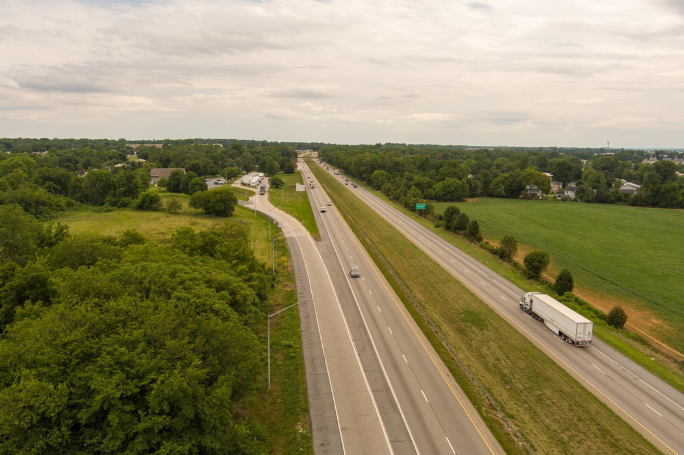
For almost a century, Keystone Cement has partnered with Northeast distributors, concrete suppliers, architects, and engineers to provide materials for all types of projects. From residential and industrial buildings to skyscrapers and infrastructure, our cement has helped shape the region and community
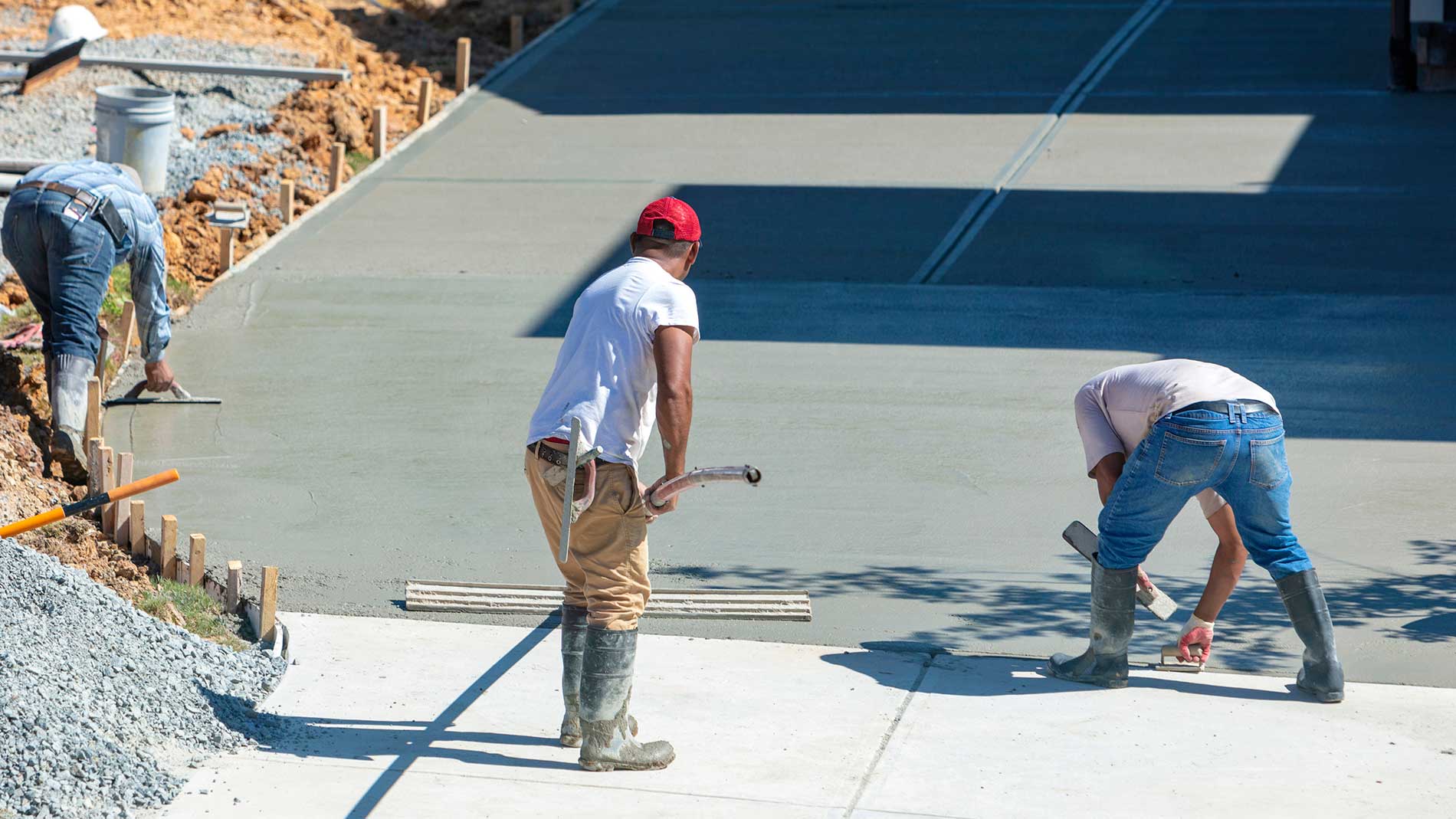
Project Residential
Residential
Project Infrastructure
Infrastructure
Project Church
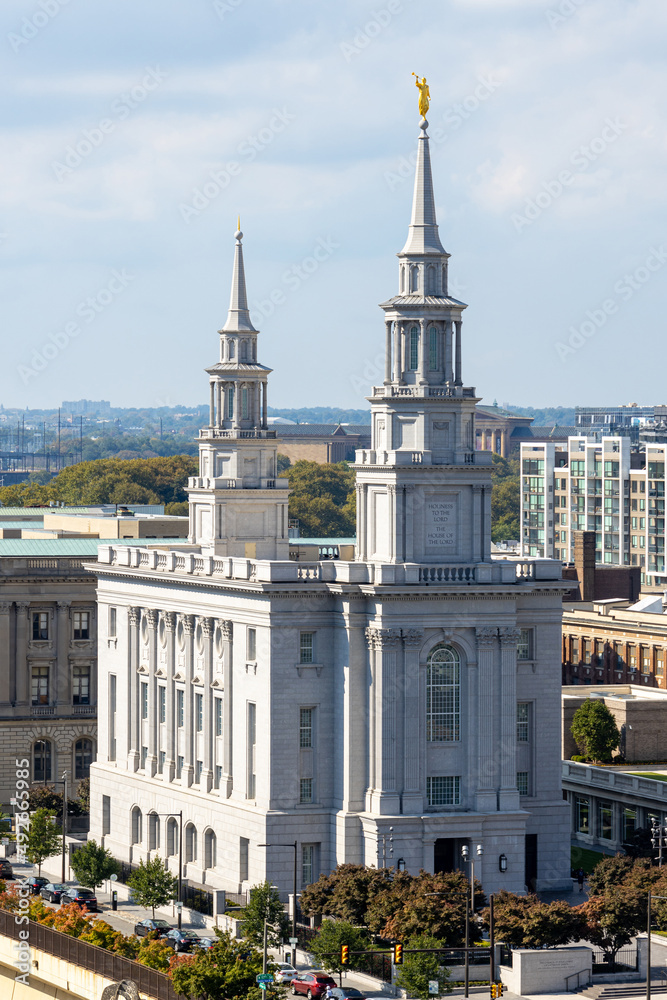
Church of Jesus Christ of Latter-Days Saints
Project FMC Tower
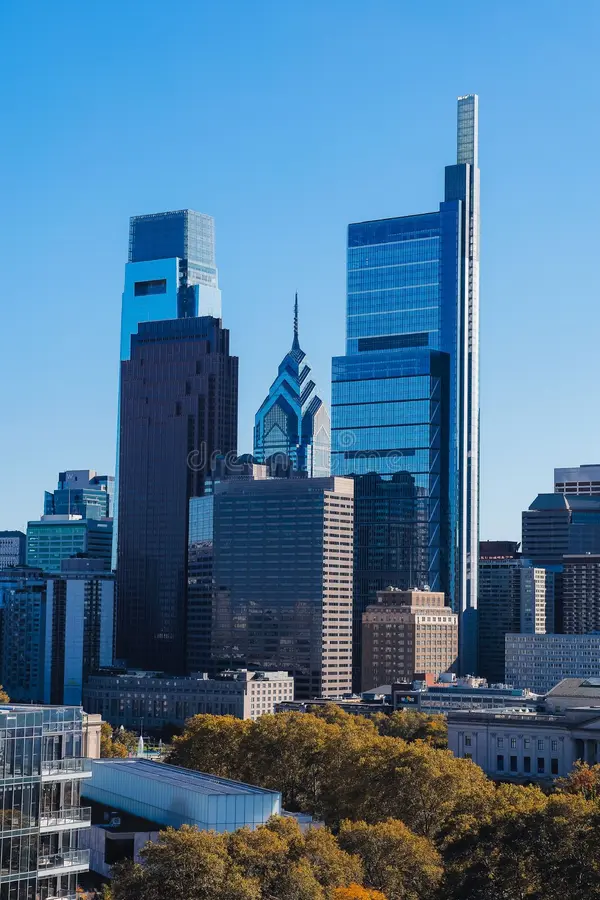
FMC Tower
Project Residential
Residential
Project Infrastructure
Infrastructure

For almost a century, Keystone Cement has partnered with Northeast distributors, concrete suppliers, architects, and engineers to provide materials for all types of projects.

From residential and industrial buildings to skyscrapers and infrastructure, our cement has helped shape the region and community.

Project Residential
Church of Jesus Christ of Latter-Days Saints
Project Infrastructure
FMC Tower

Sustainability

Environmental Icon

Environmental

Pioneers in Alternative Fuels, we aim to increase our usage to 50–60% by 2027 through rail and storage expansion, while producing more sustainable products like Type 1L cement and using natural gas to reduce our CO2 footprint.

Social Responsibility Icon

Social Responsibility

Safety is our priority, reinforcing our commitment to our most valuable asset—our people. We engage with our community, support local programs, and value teamwork. Staying connected, we maintain lifelong ties.
Regulatory Compliance Icon

Regulatory Compliance

We follow strict regulations and best practices for sustainability and safety, ensuring we meet environmental laws. Committed to ethical operations, we help build a more responsible cement industry.
Environmental Icon

Environmental

Pioneers in Alternative Fuels, we aim to increase our usage to 50–60% by 2027 through rail and storage expansion, while producing more sustainable products like Type 1L cement and using natural gas to reduce our CO2 footprint.

Social Responsibility Icon

Social Responsibility

Safety is our priority, reinforcing our commitment to our most valuable asset—our people. We engage with our community, support local programs, and value teamwork. Staying connected, we maintain lifelong ties.

Regulatory Compliance Icon

Regulatory Compliance

We follow strict regulations and best practices for sustainability and safety, ensuring we meet environmental laws. Committed to ethical operations, we help build a more responsible cement industry.

Associations,
Organizations and Community